
Maximizing Building Preservation and Material Reuse.
The BRDABC, and its members, is committed to ending the ‘demolition first’ paradigm by proving and scaling our responsible building removal solutions: relocation and deconstruction.
Through enterprise we strive to divert good homes and good building materials from our local landfills. Collectively BRDABC members have created hundreds of good ‘green jobs’ across British Columbia.
To further enable building relocation and deconstruction we commission reports, present policy recommendations, and encourage governments to create stronger incentives for the real-estate industry to use responsible, cost effective, building removal strategies.
Working with policy makers and the real-estate development industry we can maximize the prevention of demolition waste and further unleash the potential of circularity in the built environment.

-
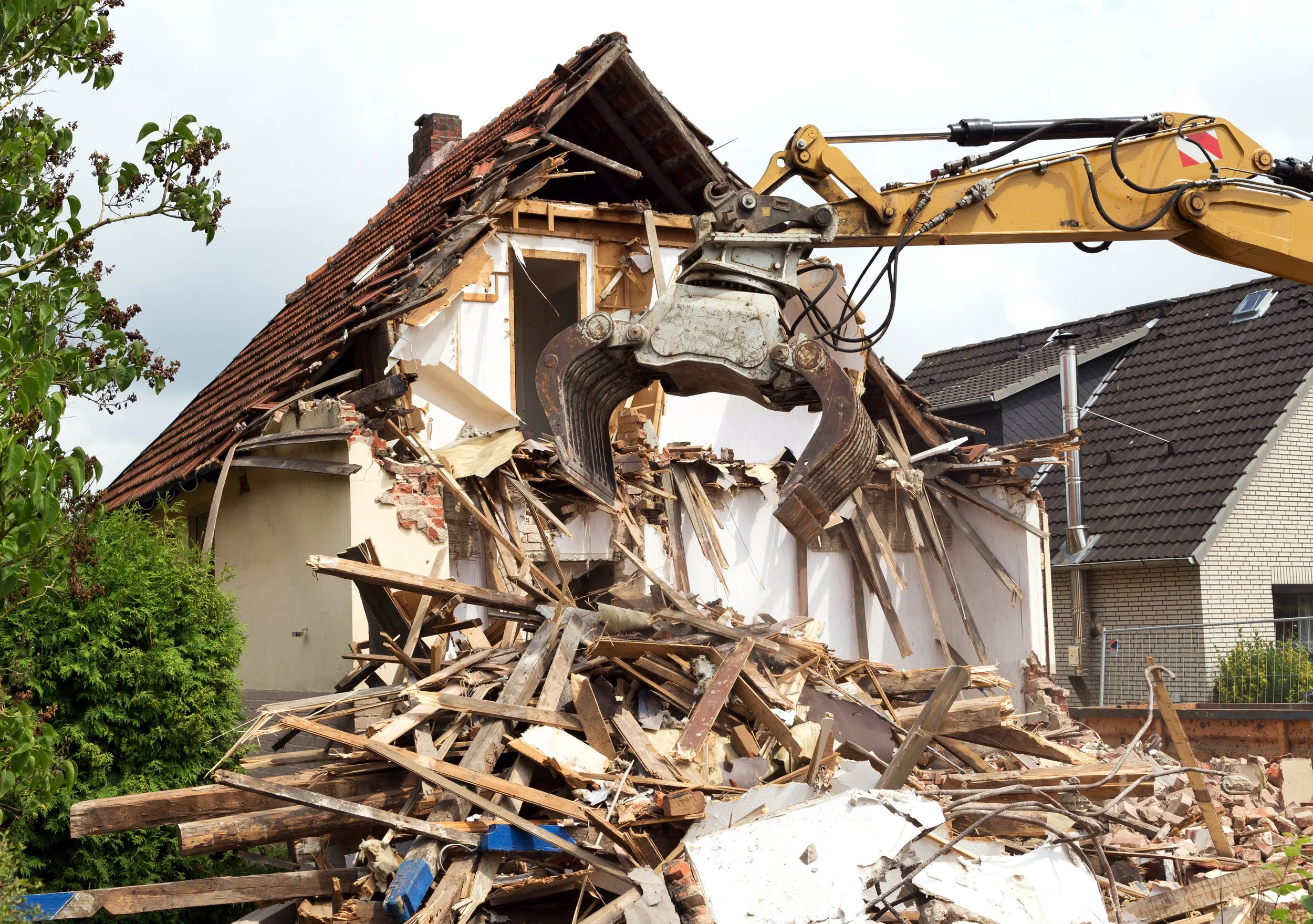
Demolition Report
Every year approx. 2,700 single family homes are demolished across Metro Vancouver to make space for higher density. This trend is projected to get worse as governments blanket upzone residential lots.
Read the full report here. -
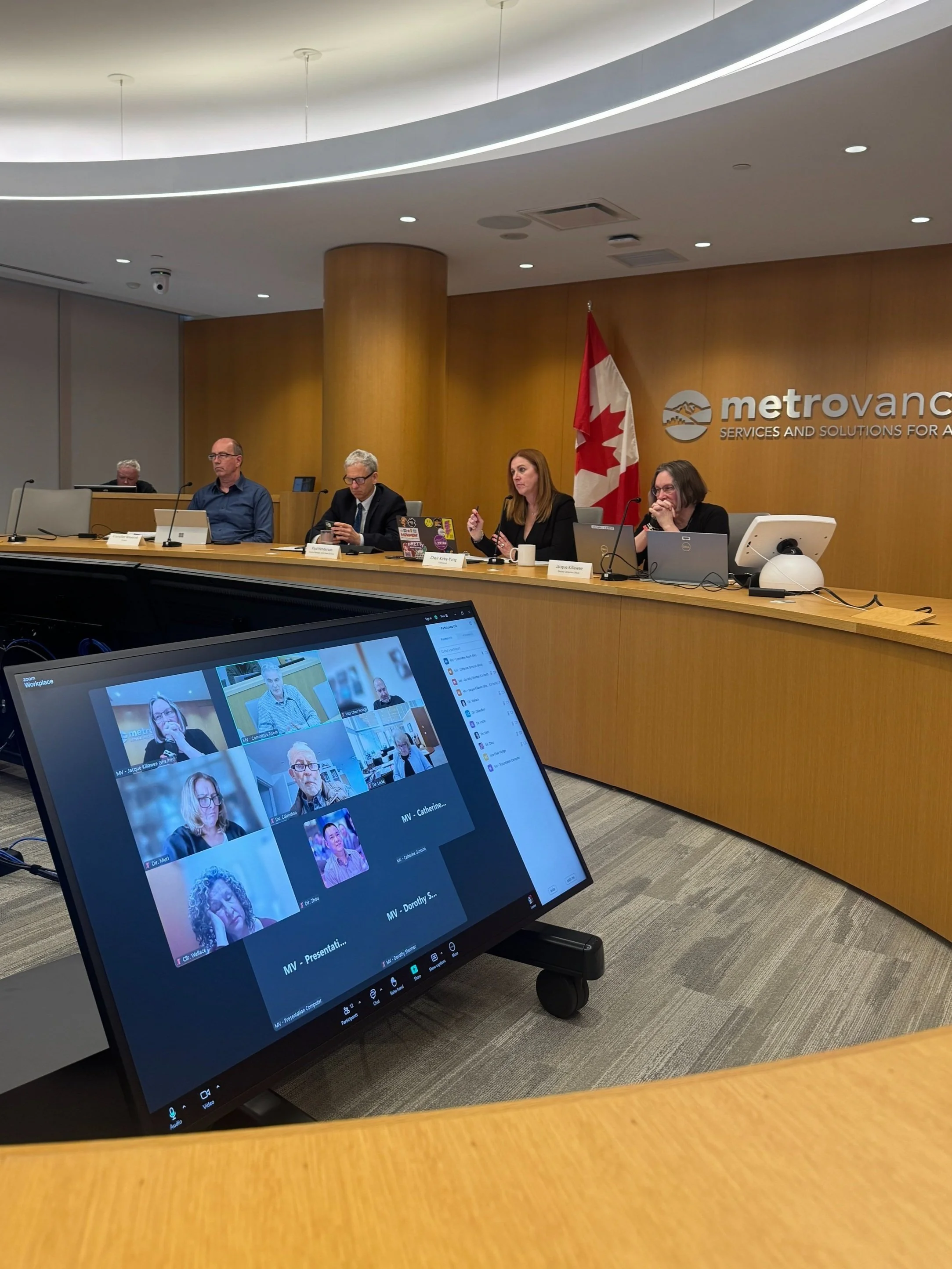
Municipal Action Plan 2026
Our updated policy framework for BC municipalities: seven proven policies plus four new for 2026, where each already works, templates to borrow, and a model council motion.
Previous edition: MAP 2025
-
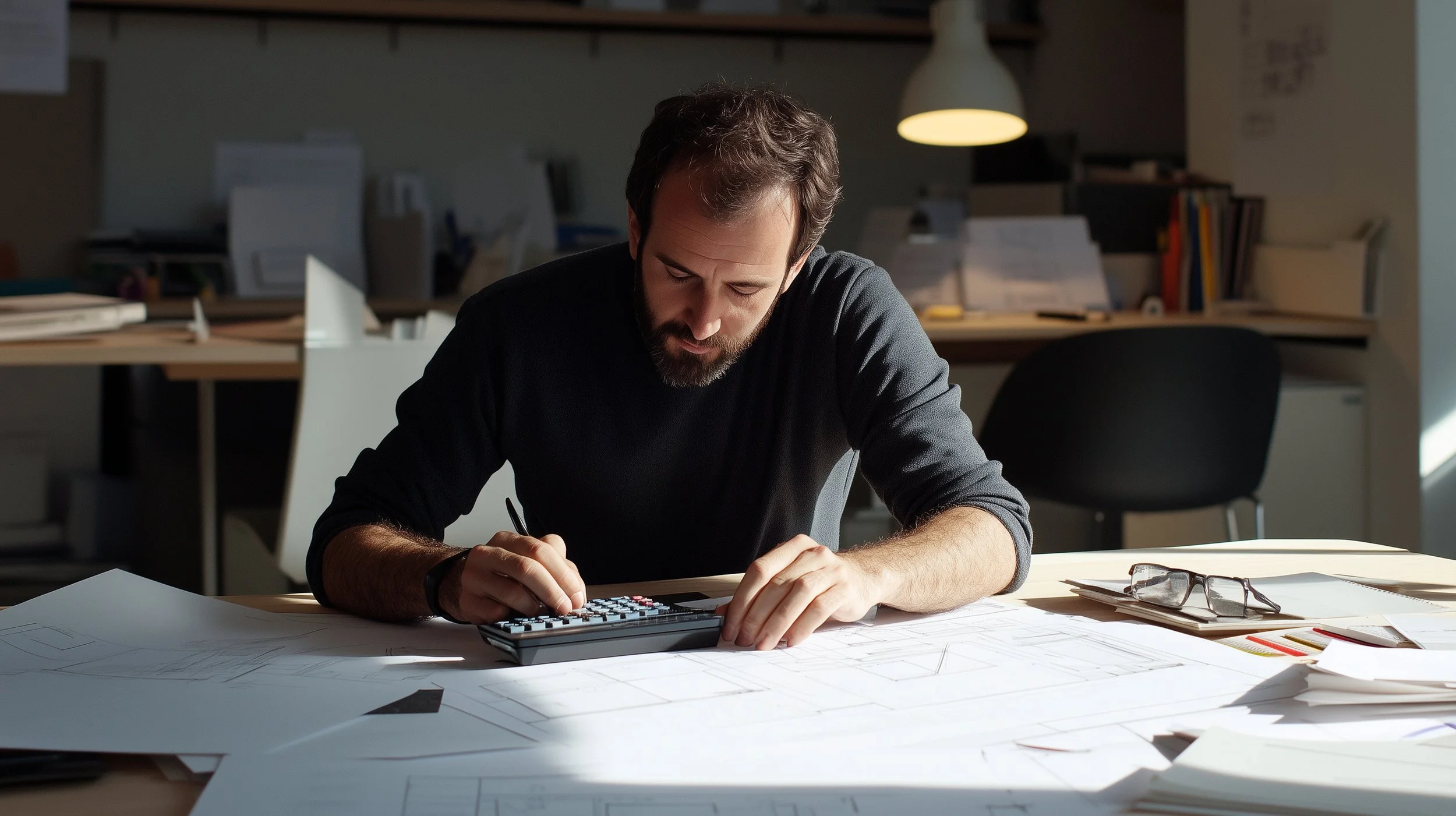
Responsible Removal Assessment
To reduce demolition waste, municipalities should require a Responsible Building Removal Assessment on all homes slated for removal. The applicant attaches a letter from a qualified building relocation company, and the completed form is a required component of the DP or BP application.
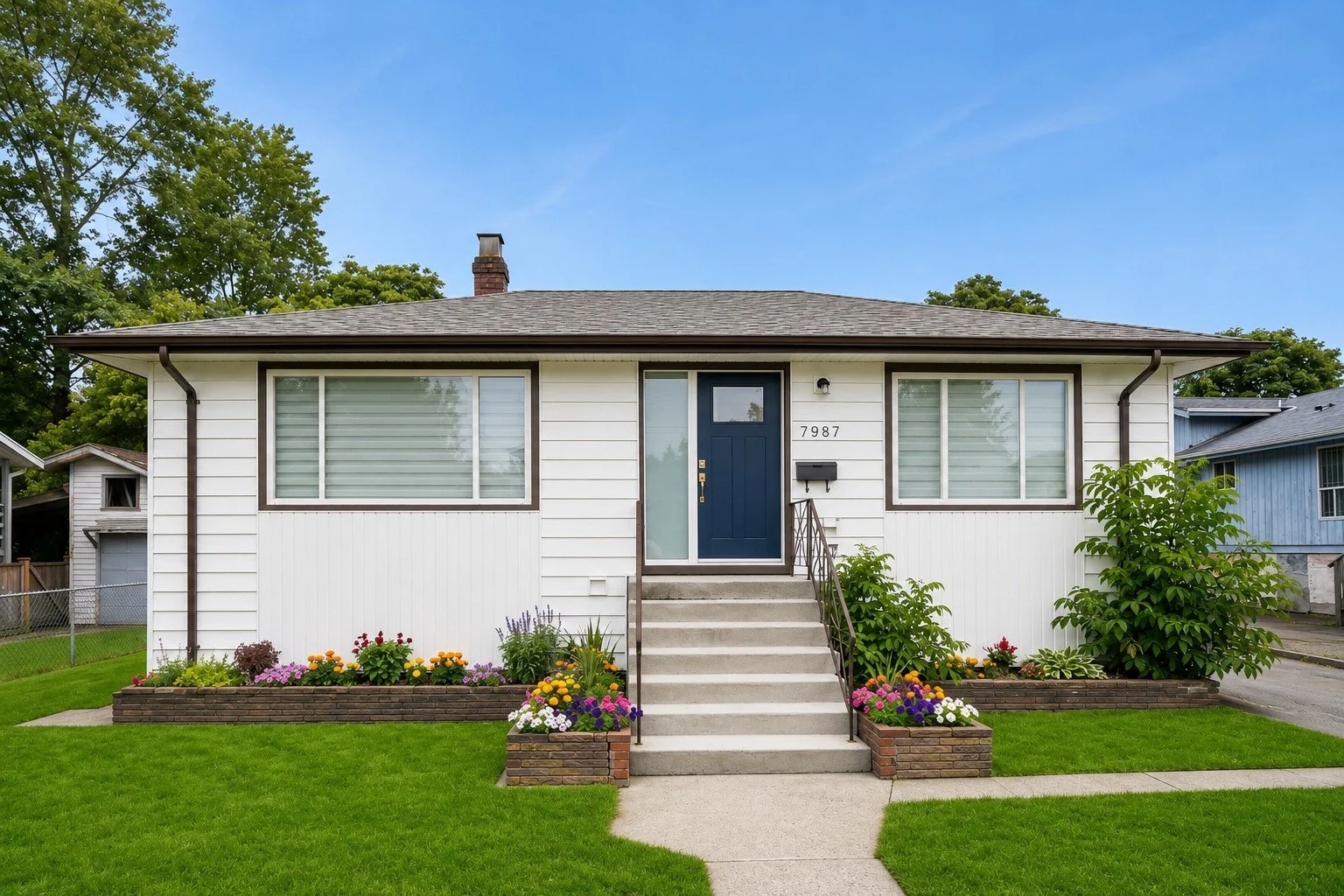
Policy Win: Burnaby Moves Beyond Demolition
In 2026 the City of Burnaby moved beyond demolition-only contracts to a broader site clearing approach for the houses it owns. Bidders can now propose relocation, deconstruction or demolition, and the method counts for more than the price. Our two-page brief explains the change and how other cities can match it.
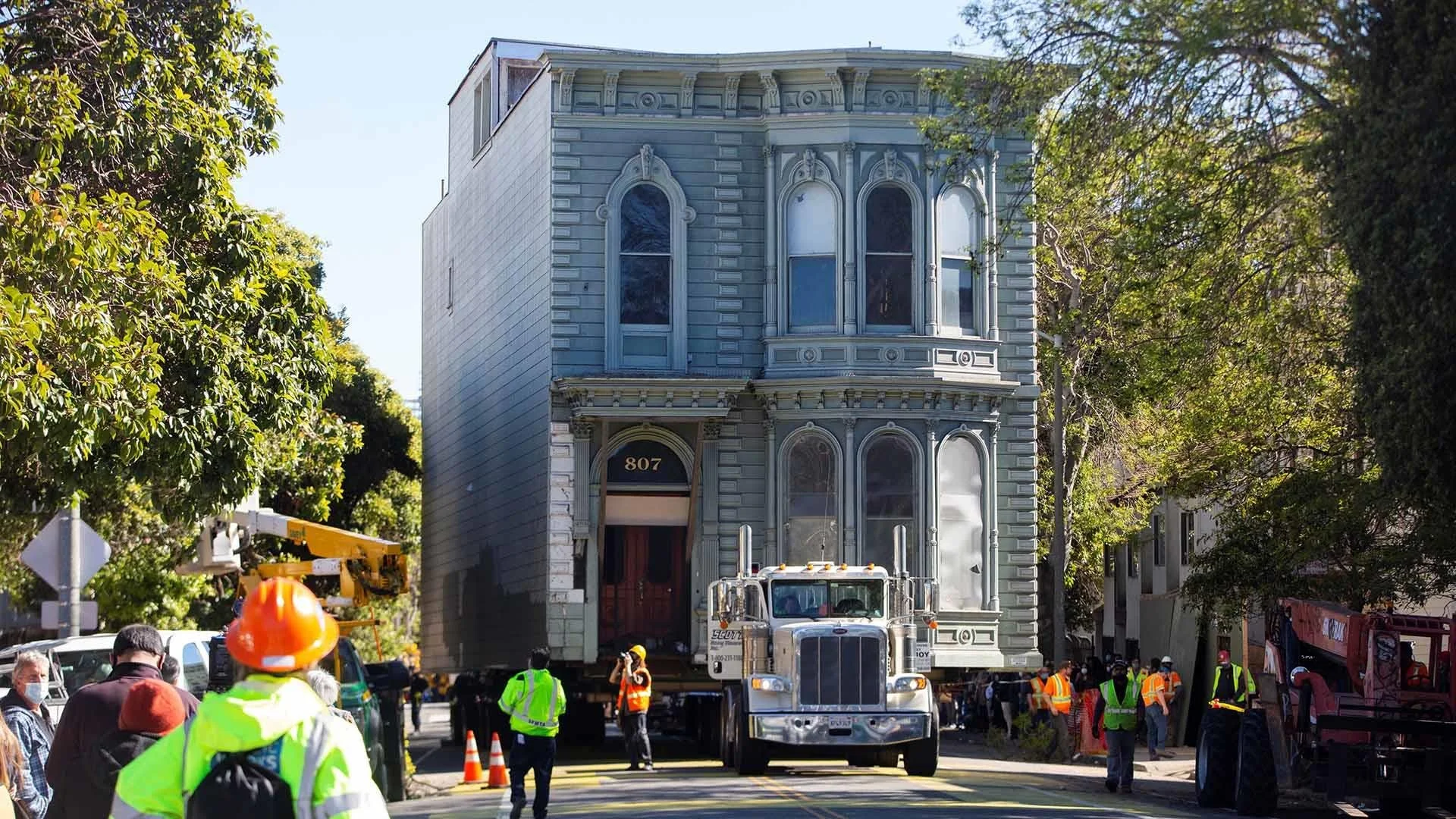
San Francisco’s 1880s Englander House, relocated six blocks instead of demolished, 2021. Photo: Reuters/Brittany Hosea-Small
Policy Brief: Assess Every Home Before It Comes Down
Our top ask for BC municipalities: require a free Responsible Building Removal Assessment from a qualified building relocation company with every permit to remove a home. Santa Cruz County, California has run a similar check for over 40 years. Our two-page brief explains how it works, what Santa Cruz shows, and links to the form.
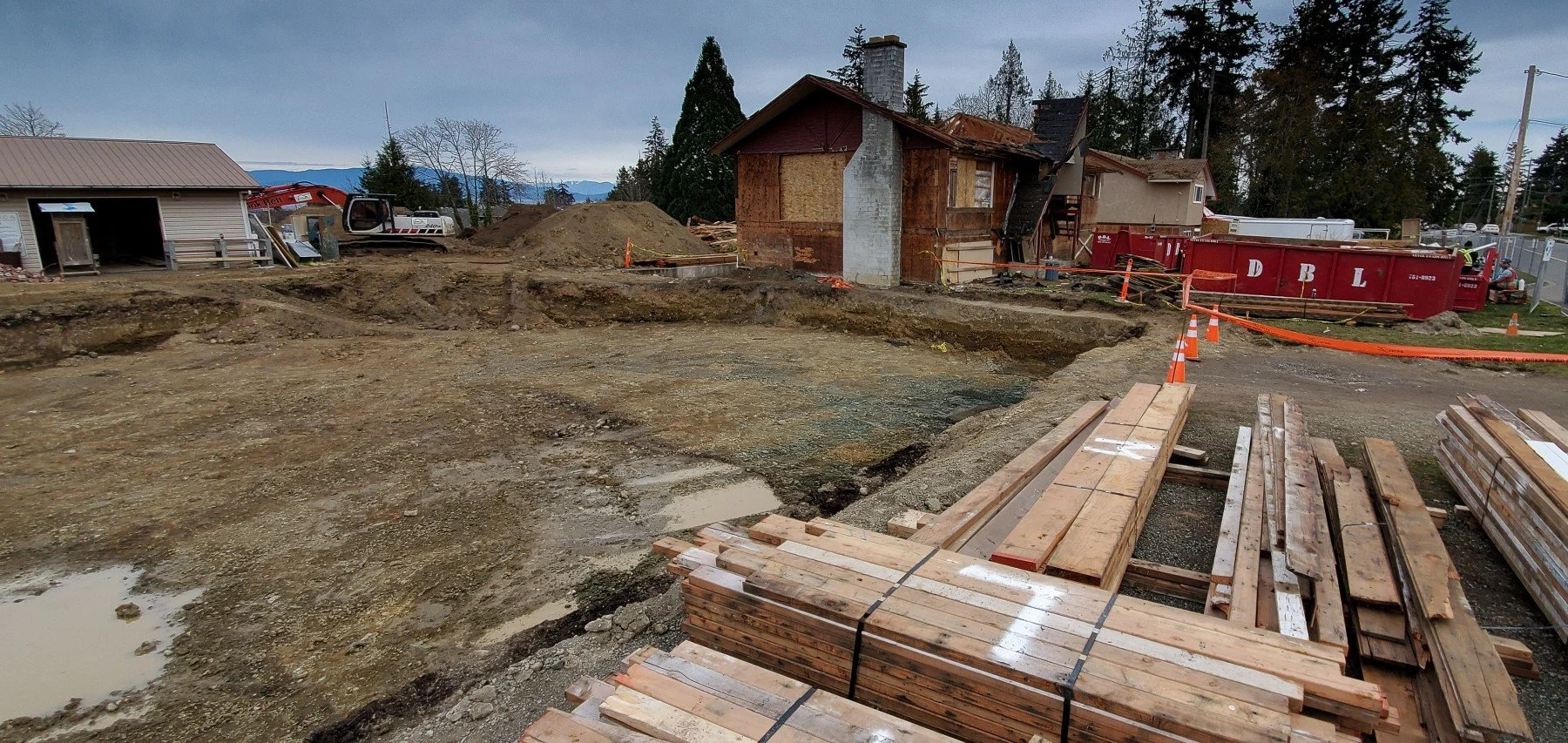
Lumber salvaged for reuse during a home deconstruction in Parksville, BC.
Case Study: Victoria Pays Builders Back for Saving Wood
Since 2022, Victoria has charged a refundable $19,500 fee when an older house or duplex is demolished. Builders get it all back when they salvage wood for reuse, or relocate the house instead. Once the fee applied, projects meeting the salvage target jumped from 2 of 11 to 7 of 9. Our two-page case study explains how it works and what other BC municipalities can learn from it.
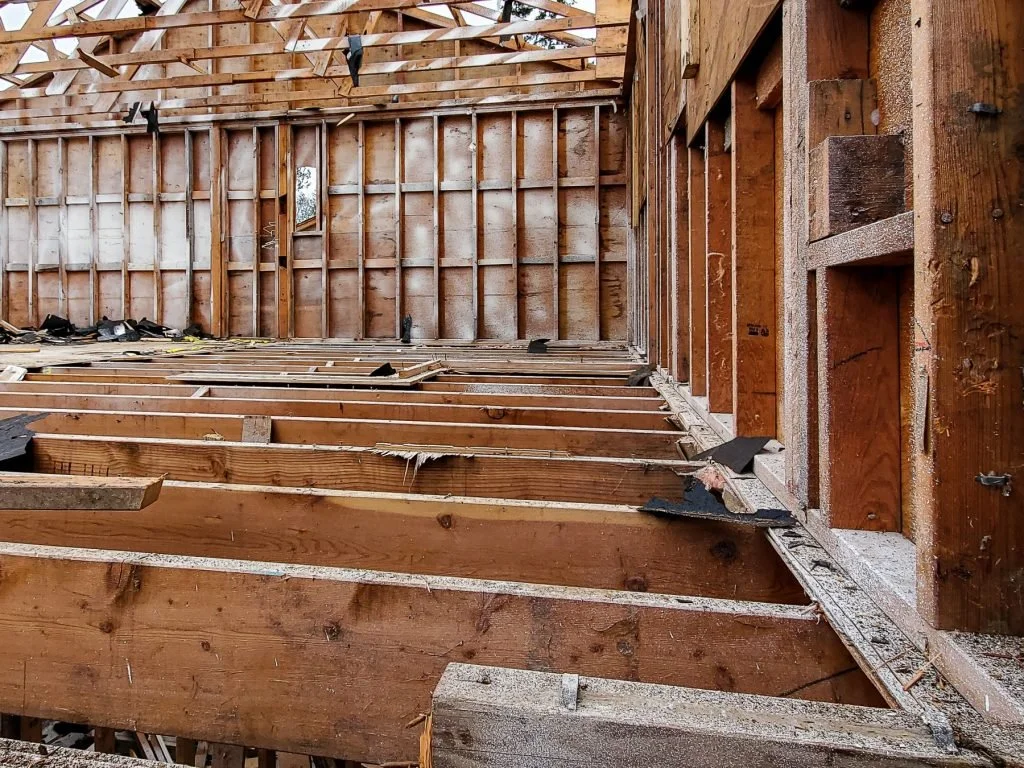
A house deconstructed frame by frame so its lumber can be reused, Parksville, BC.
Case Study: Portland Deconstructs Older Homes by Hand
Since 2016, Portland has required houses and duplexes built in 1940 or earlier to be deconstructed by certified contractors instead of knocked down. Ten years on, 765 buildings have been deconstructed and more than 4.8 million pounds of lumber recovered for reuse. Our two-page case study explains how it works and what BC municipalities can learn from it.